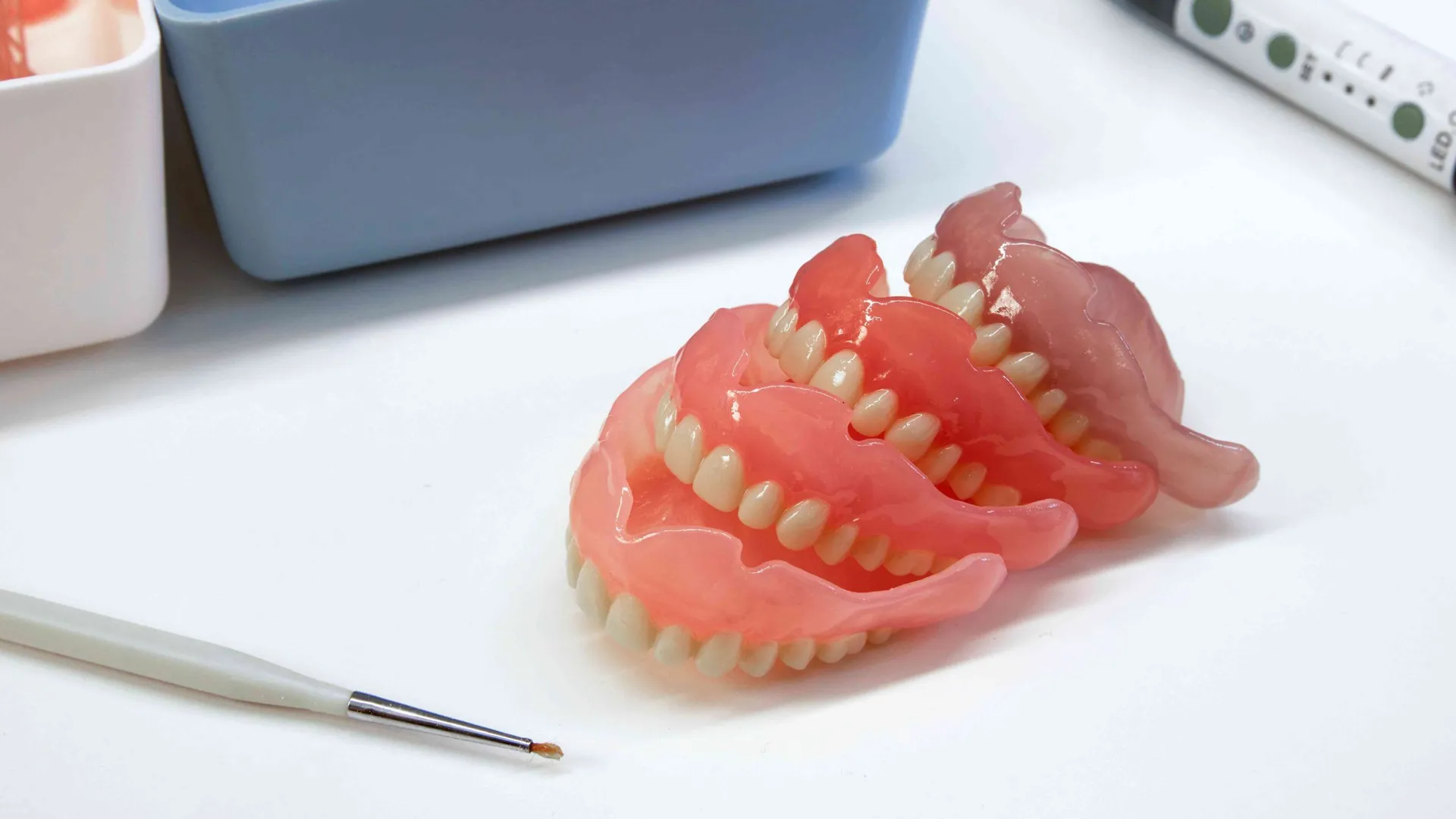
Removable Prosthetics with a Digital Protocol
High-Precision Digital Fabrication for Removable Prosthetics
We manufacture full, partial, and overdenture removable prosthetics with a completely digital protocol. Intraoral scanning, online design review, and 3D verification try-in included.
Want to try our protocol? Start today.


98% of our cases are handled via intraoral scanner for hundreds of practices that already trust Smileep®
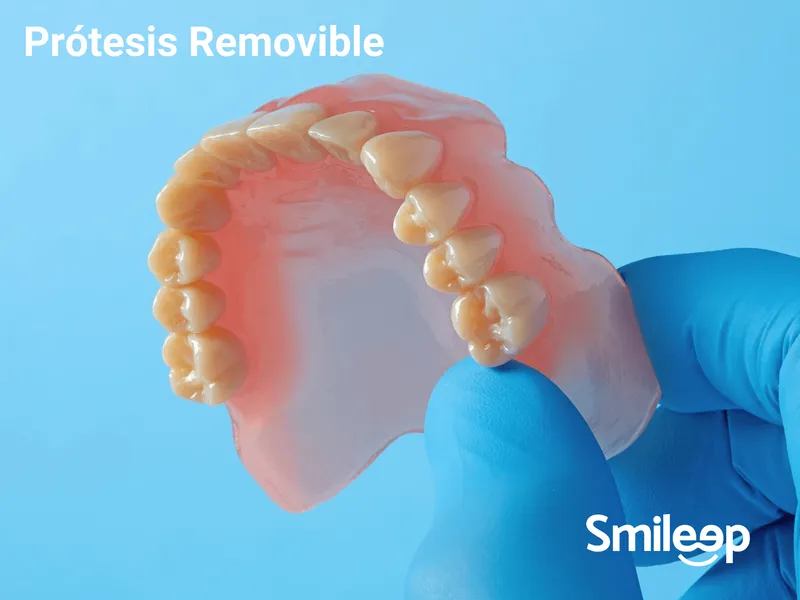
Digital removable prosthetics with fewer analogue steps
Removable prosthetics remain essential for many patients, but the workflow does not need to be slow or manual. At Smileep we digitise design, try-in and fabrication so the practice receives a more predictable prosthesis with fewer adjustments.
How we manufacture your Removable Prosthetics
From scan to practice in 5–7 days
Intraoral Scan
Take the intraoral scan of your patient (or send us the physical model to digitise) and upload it to the portal.
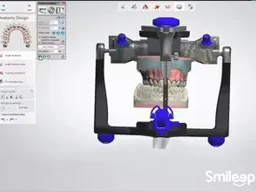
CAD Design
We design the prosthetics in CAD and send you a preview for online review before manufacturing.
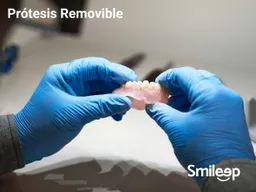
3D Fabrication
We manufacture the prosthetics using high-precision dental 3D printing technology and biocompatible materials.
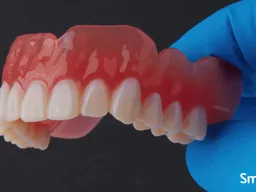
Delivery in 5–7 days
The prosthetics arrive at your practice ready to try in, with the 3D verification try-in included.
Types of digital removable prosthetics
One shared workflow for different clinical indications
Full denture
Complete edentulism
- Digital design of bases and teeth
- 3D verification try-in when the case requires it
- Predictable finish for edentulous patients
Partial denture
Partial tooth loss
- Planning according to mucosal and dental support
- Design adjusted to the practice instructions
- Digital fabrication with fewer manual steps
Overdenture
Locator or bar
- Implant-supported solutions for greater stability
- Compatible with Locator or bar retention
- Digital workflow to control fit and passivity
What clinics say about Smileep®
Trusted by professionals who work with us every day
“The material quality is excellent — the splint is completely transparent and fits perfectly from the very first fitting, with no adjustments needed.”
“I am delighted with the product. I love the presentation, how well they fit, and how little they change colour over time.”
“The quality of the work is excellent, and most importantly, communication with the laboratory is very fluid.”
“The implant-supported prosthetics fit perfectly, with such precise fit and occlusion that they barely require any adjustment. It is reassuring to work with professionals like this.”
FAQs about Digital Removable Prosthetics
Everything you need to know before sending your first case
What types of digital removable prosthetics do you manufacture?
We manufacture full dentures (maxillary and mandibular), removable partial dentures, implant-supported overdentures with Locator retention, and bar-supported overdentures. All types with a 100% digital workflow.
What advantages does 3D printing bring to removable prosthetics?
3D printing offers far superior dimensional accuracy compared to analogue methods. The prosthetics fit better, require fewer chairside adjustments, and the process is more hygienic by eliminating conventional alginate impressions.
What is a removable prosthetic?
A removable prosthetic is a dental restoration that the patient can insert and remove themselves. It can be complete (when all teeth in an arch are missing) or partial (when some natural teeth remain to provide support).
What is an overdenture?
An overdenture is a removable prosthetic anchored to implants to provide greater stability than a conventional denture. The most common systems are Locator retention (on 2 or 4 implants) and the friction bar (larger support surface).
When is a removable prosthetic better than a fixed one?
A removable prosthetic is recommended when there is insufficient bone for implants, when the patient has budget constraints, or when surgery is not possible for health or hygiene reasons. It is also the only option in cases of complete tooth loss without implants.
Request Protocol — Removable Prosthetics
Send us your first case and experience the difference of a digital workflow.